
 donation options
bees for babar index
guiding principles
photos and background
publications and resources
videos
beeginnings photos results photos update photos hive designs elephants of Mole bees of Mognori

Bees for Babar / Natural Partners Initiative
Tamale Area & Yama (North East Region) — July through October 2026
Recognizing Good Work — The SheKeeper Awards Ceremonies
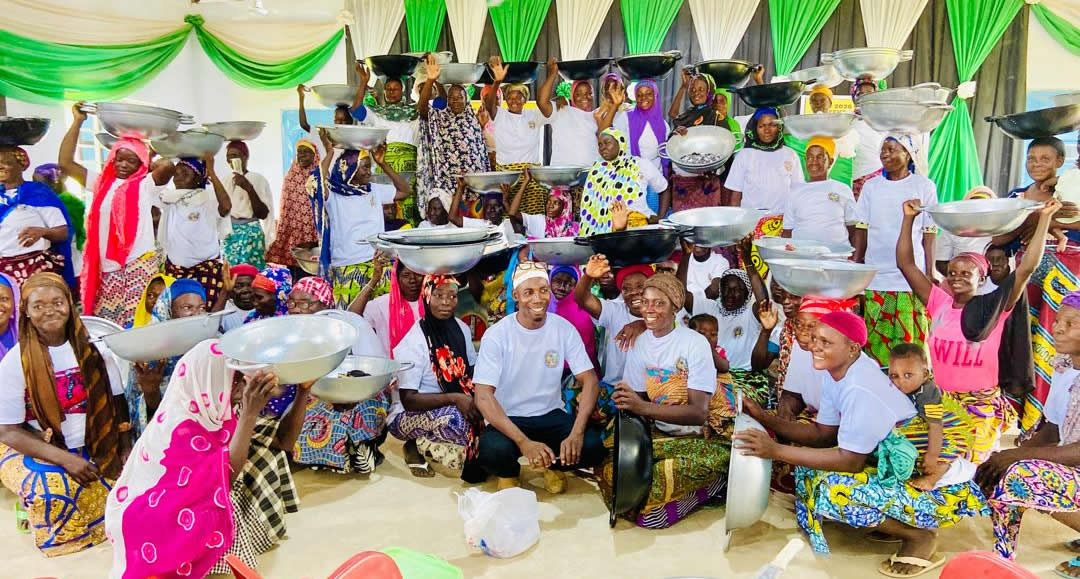
In early September, award ceremonies were held across all SheKeeper communities in both the Tamale and Yama areas to recognize participants who excelled during the 2026 harvest season. Ceremonies took place in Gizaa-Gundaa, Yama, Surogu, and surrounding villages, with community leaders, chiefs, and elders in attendance alongside program participants.
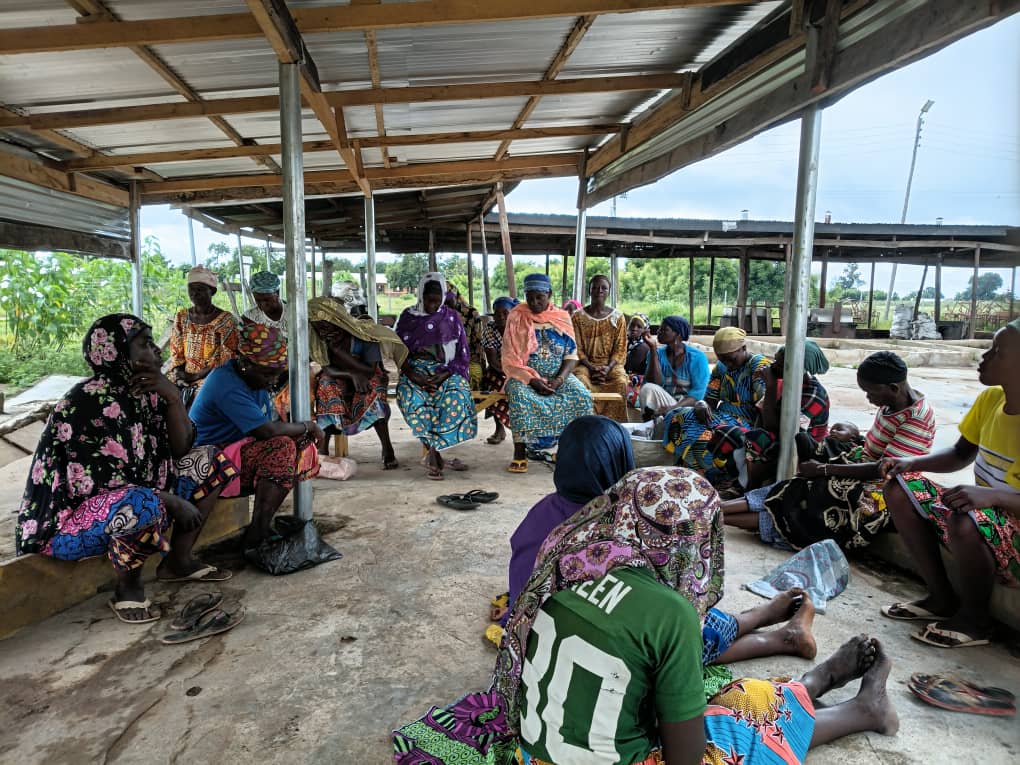
Awards ceremony and celebrations at Gizaa-Gunda — Super Swarm Award recipients, Tamale Region
|
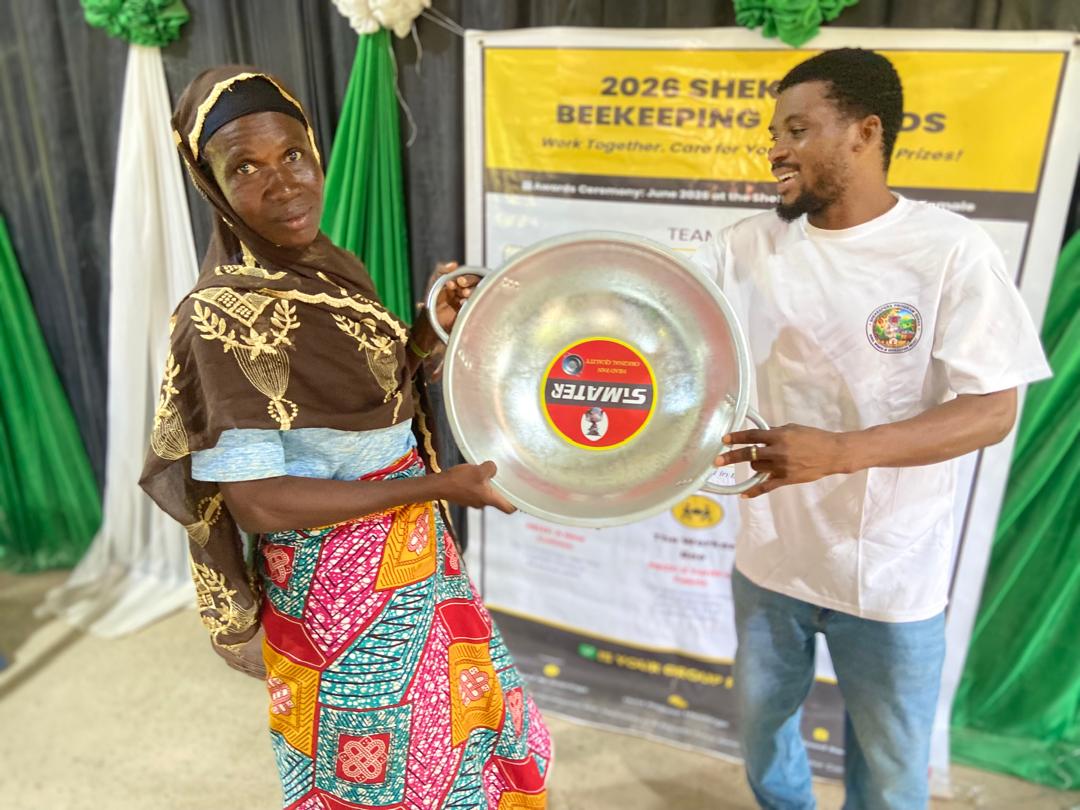
Ceremony at Gizaa-Gunda area — completed for all client communities across both regions
|
The ceremonies carried significance beyond the awards themselves. A community chief reported afterward that some participants had begun to lose confidence in the program’s continuity — the ceremonies changed that. As field trainer Abdul Rashid noted in his report to the team:
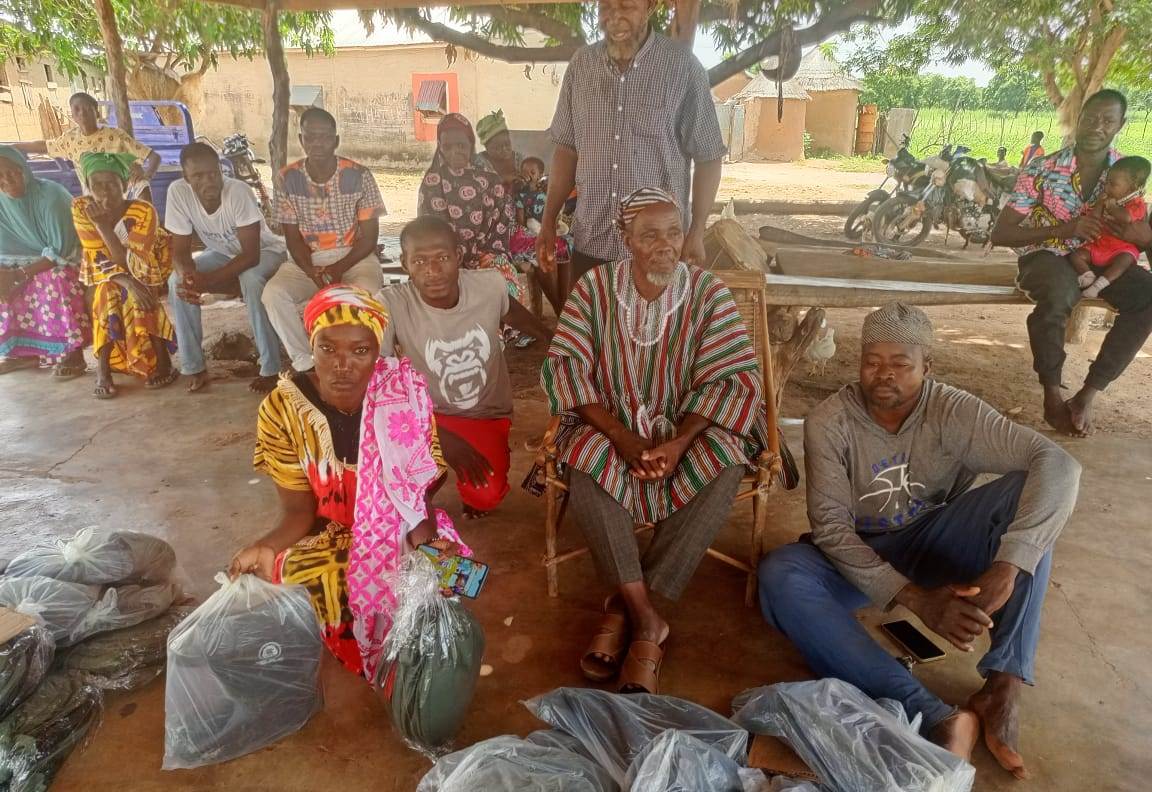
Yama community — recipients pledging to compete for the Super Swarm Award in the coming season
|
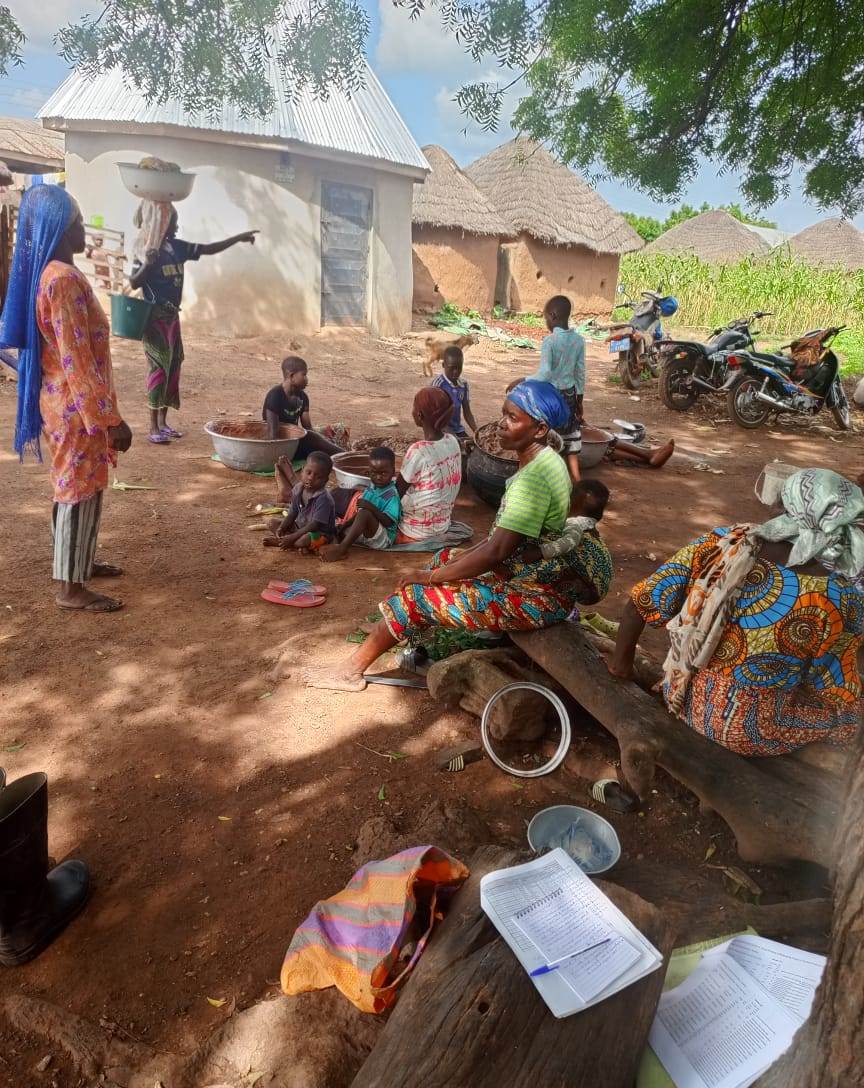 Award ceremonies were described as “periods of revelation” about the real possibilities of rural beekeeping
|
Working with Traditional Authorities
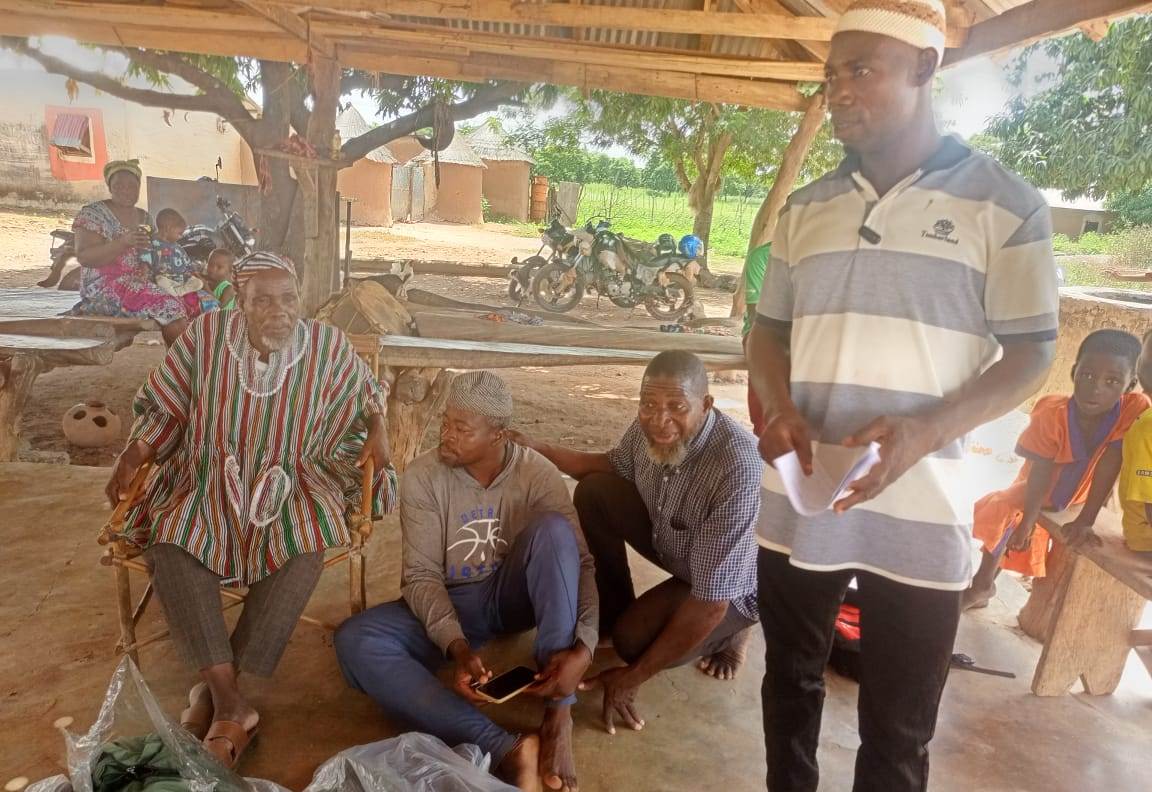
A significant development earlier in the period was a series of formal meetings with the chiefs of Yama, Bulbia, and Zua, facilitated by program coordinator Bethany Davidson alongside field trainers Mohammed Ali Ibrahim and Abdulai Abdul Rashid. The meetings addressed honey theft that had affected the program in the Yama area, and sought the traditional authorities’ formal commitment to protecting the project going forward.
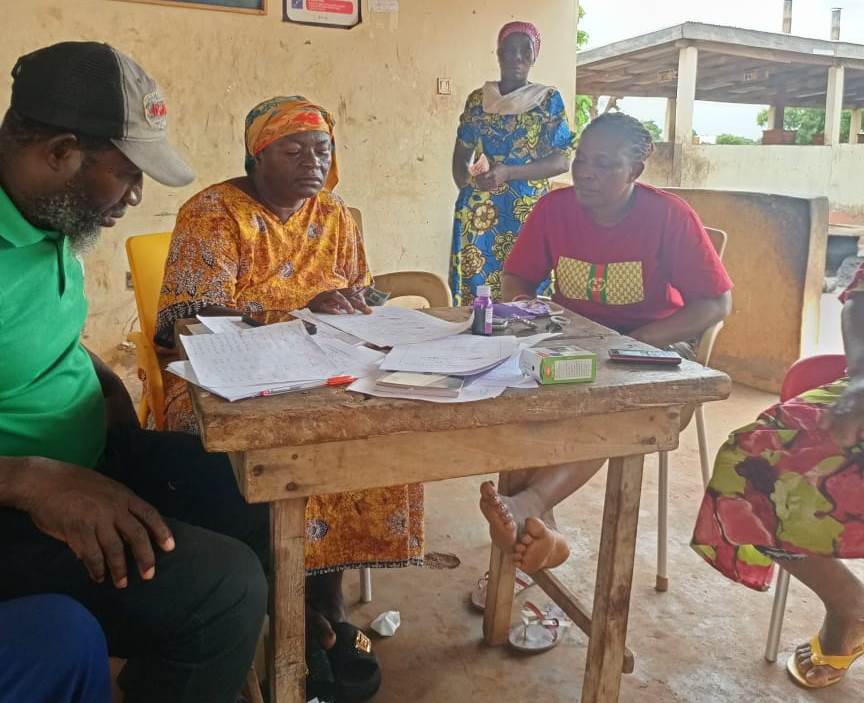
Formal letter presentation to community leadership — Sorugu area
|
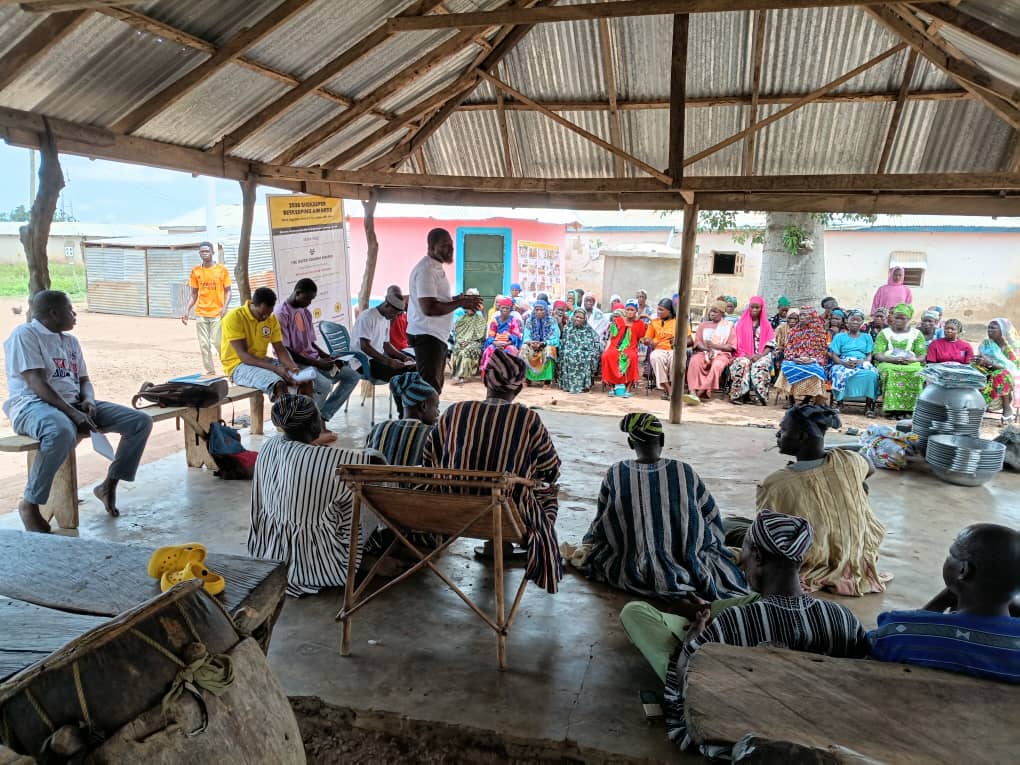 Community leaders in Yama (as well as Zua, and Bulbia) pledged active support for theft prevention
|
All three chiefs responded positively. The chief of Zua stated that theft was “no more” in his community. The Yama chief convened his own follow-up meeting with elders to reinforce the message locally. Bulbia’s chief expressed enthusiasm about the program’s potential and linked future requests for additional hives directly to the community’s success in stopping theft. A key element of the approach, noted by Bethany Davidson, was ensuring that elders as well as chiefs were present at each meeting, so that the commitments made could not later be misunderstood or misrepresented.
A Remarkable Colonization Season
As the new swarming season began, the results of improved baiting techniques have been striking. Five empty baited hives placed at each of Bulbia, Chera, and Zua were all colonized within days of installation. In Zua, field teams reported that nearly 400 hives are now colonized — with no empty hives remaining except those too damaged for use.
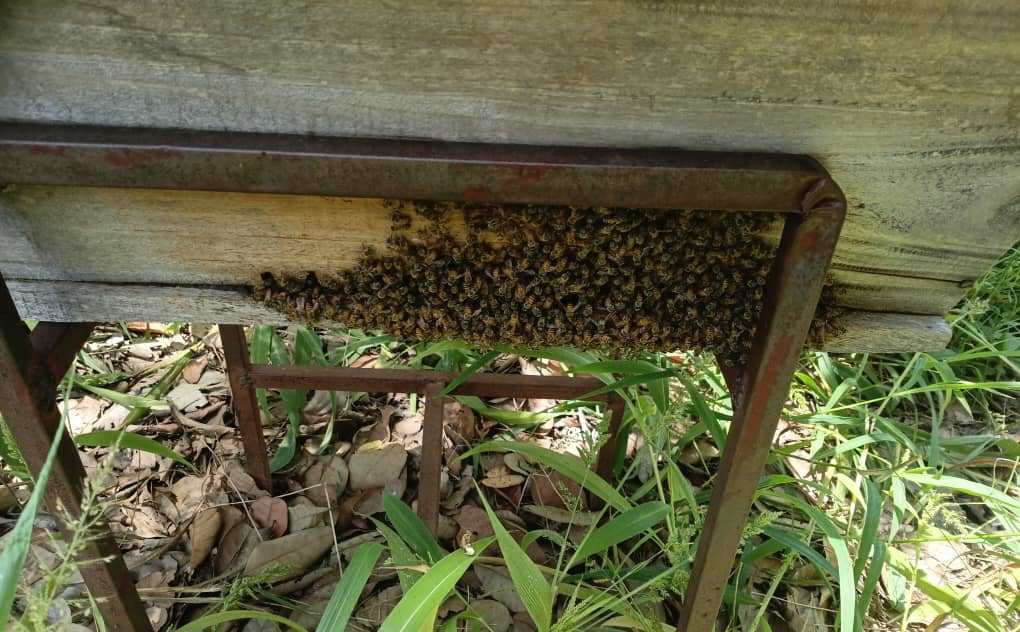
Newly colonized bait hive — swarm colonization was near-total across Zua this season
|
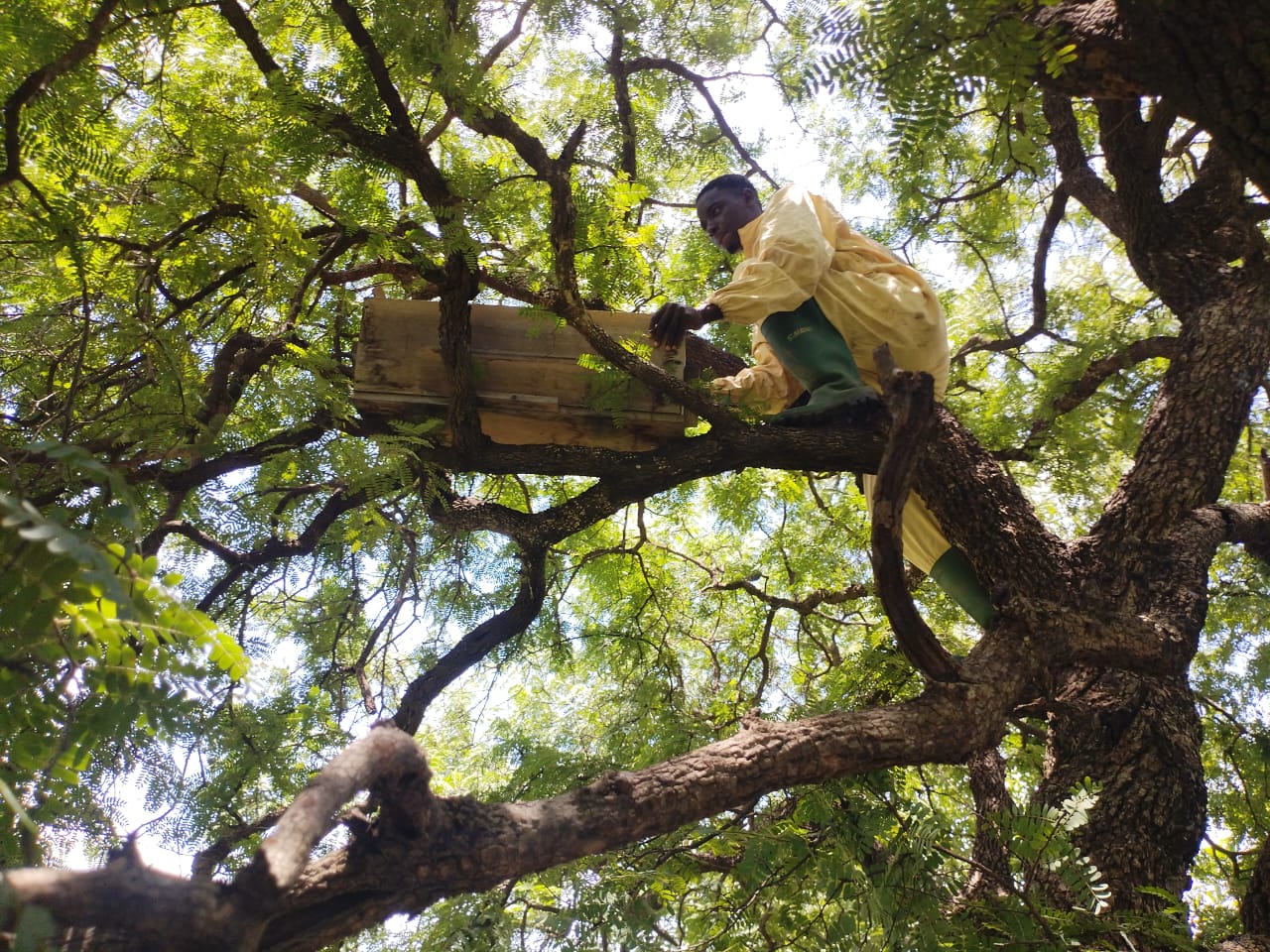
Hives installed at elevated positions in tree-tops have shown particularly fast colonization rates
|
Field trainer Mohammed Ali Ibrahim reported that baiting trials using a combination of propolis, beeswax, and fevergrass showed that separate installations at tree-top height can achieve 100% colonization in the right conditions — a finding that will inform hive placement strategies for the season ahead. At Kpulinying, almost all installed hives were colonized within two days; the few that had not attracted colonies were attended to individually.
In a separate development, community members in Sorugu who had identified a new site spontaneously reached out to invite the program to help them install hives there — an encouraging sign of growing community-driven initiative.
Recovering and Repairing Equipment
A significant pre-season activity this year was the recovery of hives that had been left in the field, abandoned, or damaged. Teams worked across Jakpahi, Chera, Gizaa-Gundaa, and Zua to retrieve hives from bush locations, assess their condition, and bring them to central collection points for maintenance.
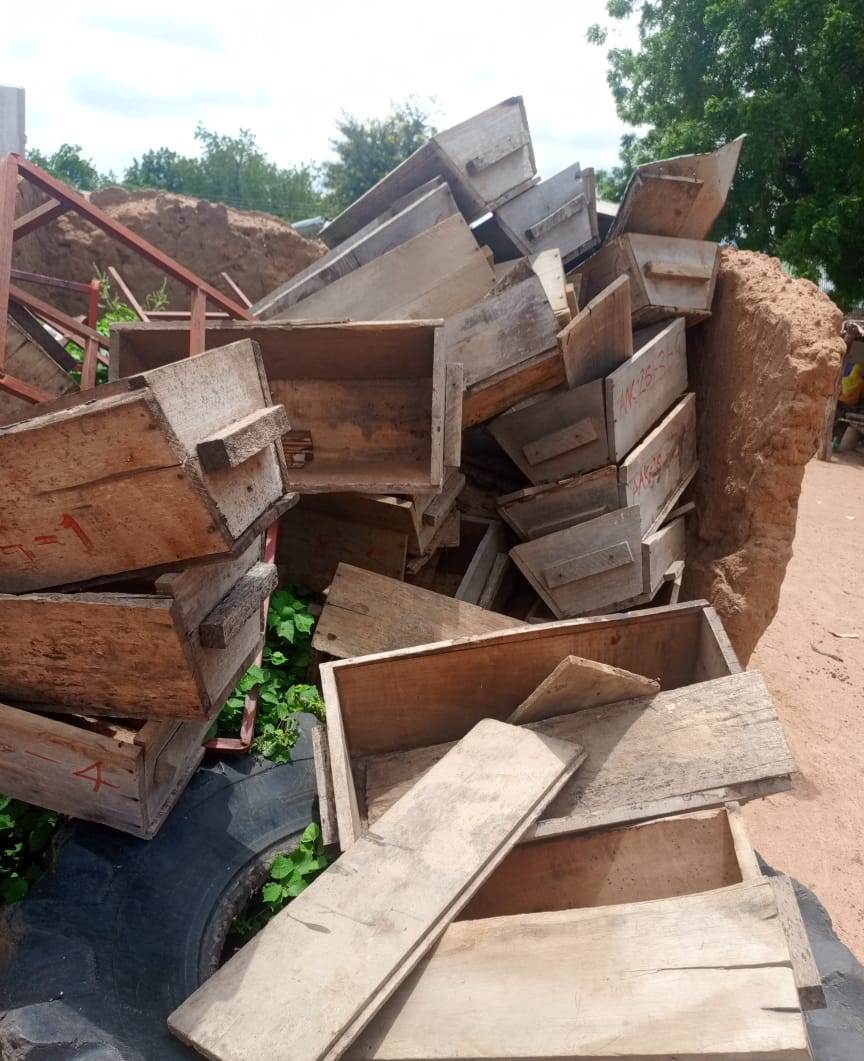 Recovered hives sorted by condition at a community collection centre
|
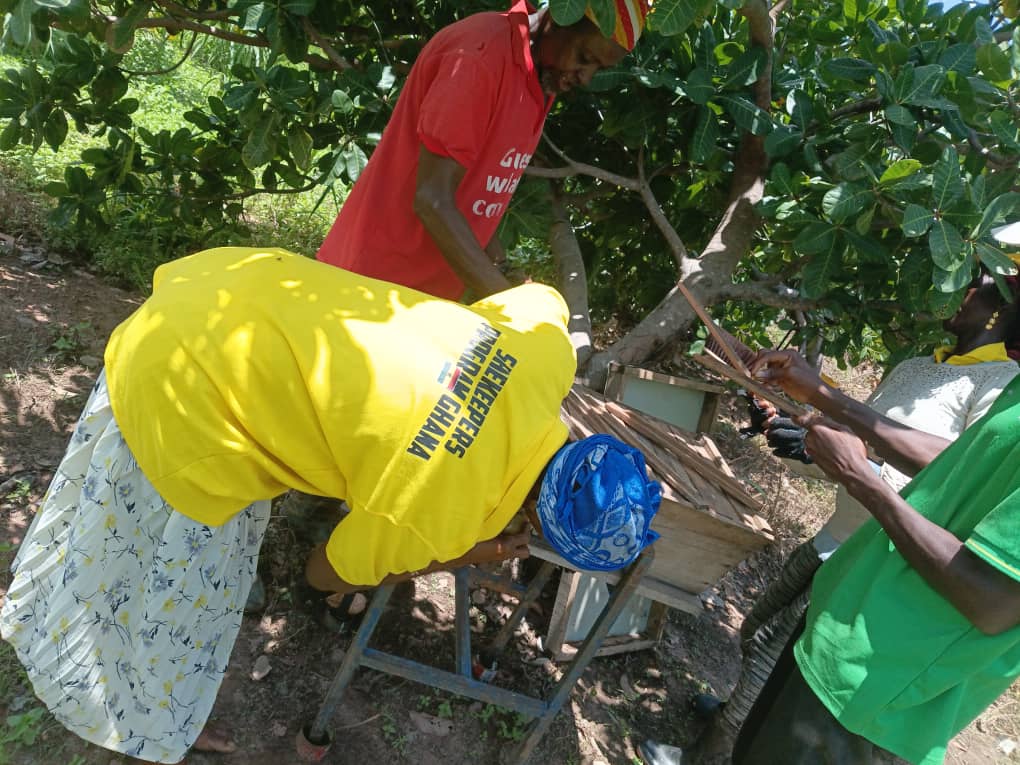 Community Beekeeping Trainers supervising hive renovations
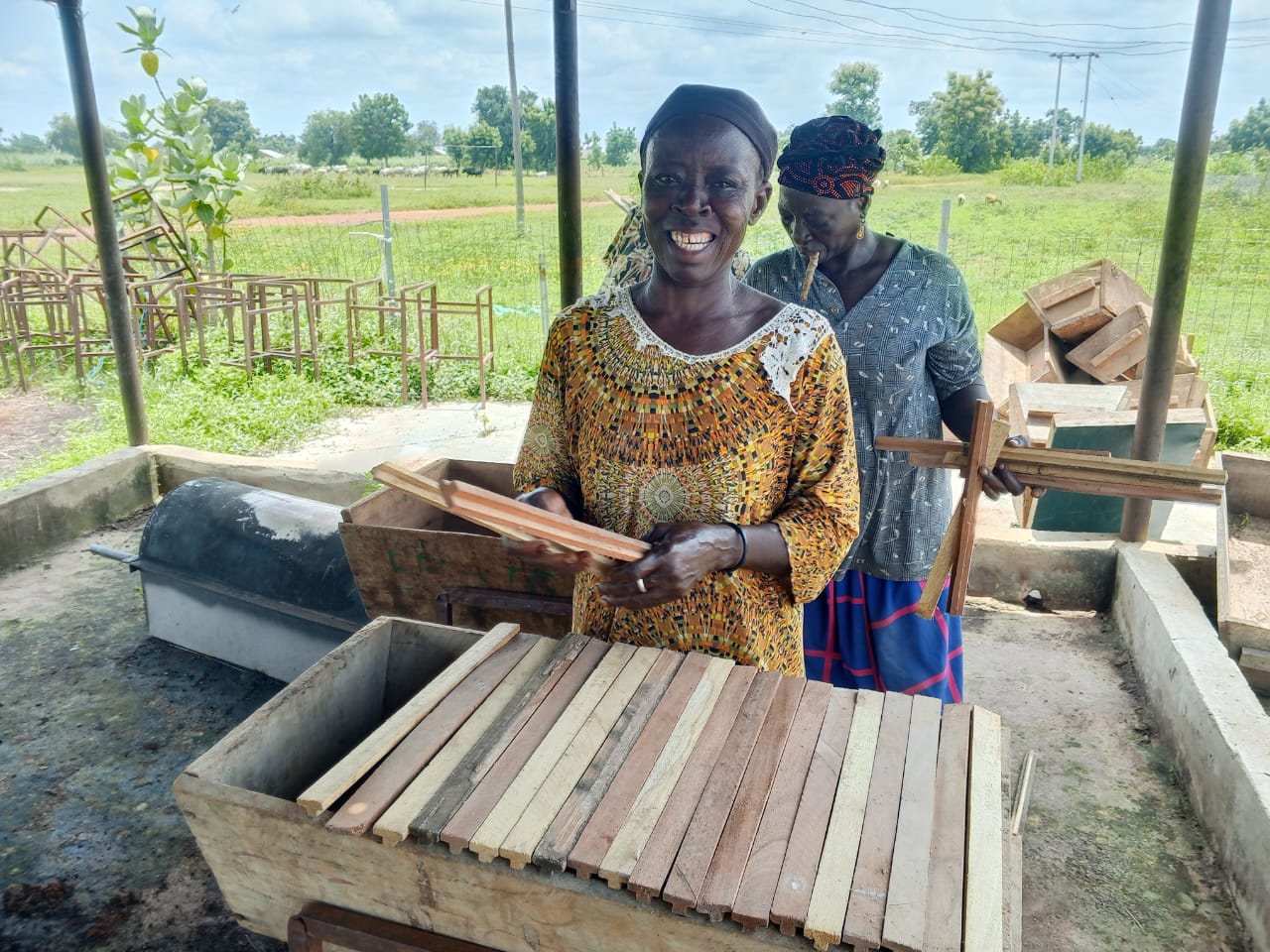 |
Training sessions incorporated a practical module called “Turning Rags to Riches” — demonstrating how damaged hives can be repaired and how new hives can be constructed from locally available materials including stone and stalks, reducing the program’s dependence on purchased timber. CBTs had been equipped with basic tool kits in the prior season; these were put to use during repair sessions. The program continues to explore a community work-party model for hive construction and repair, modelled on successful approaches used in earlier seasons in the Mognori area.
Refresher Training Across Communities
As the new season opened, field teams conducted refresher training sessions across all communities in both regions. Training covered colony inspection and management, rebaiting of empty hives, division of strong colonies, ventilation and airflow management at apiary sites, record keeping, and pest and disease management. Sessions in the Yama area included specific skills enhancement for Community Beekeeping Trainers on swarm capture and colony transfer techniques.
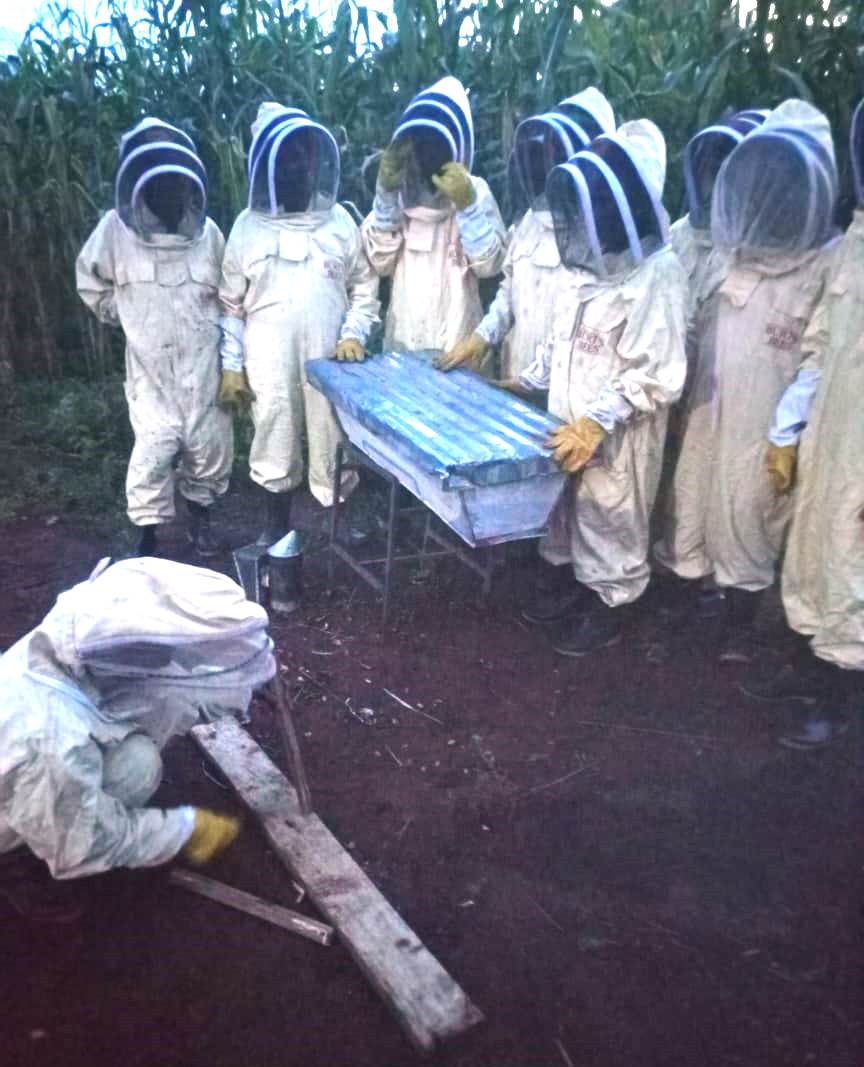 Hands-on refresher training — colony inspection and management
|
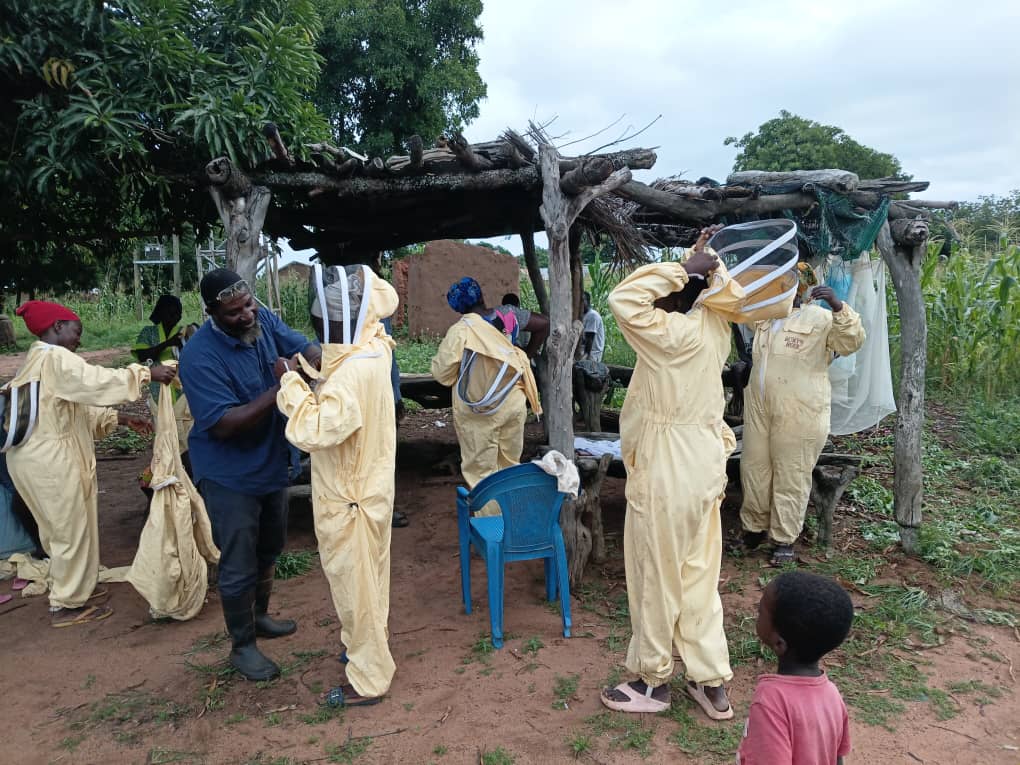 Opening introductory meetings for the new season drew strong attendance across communities
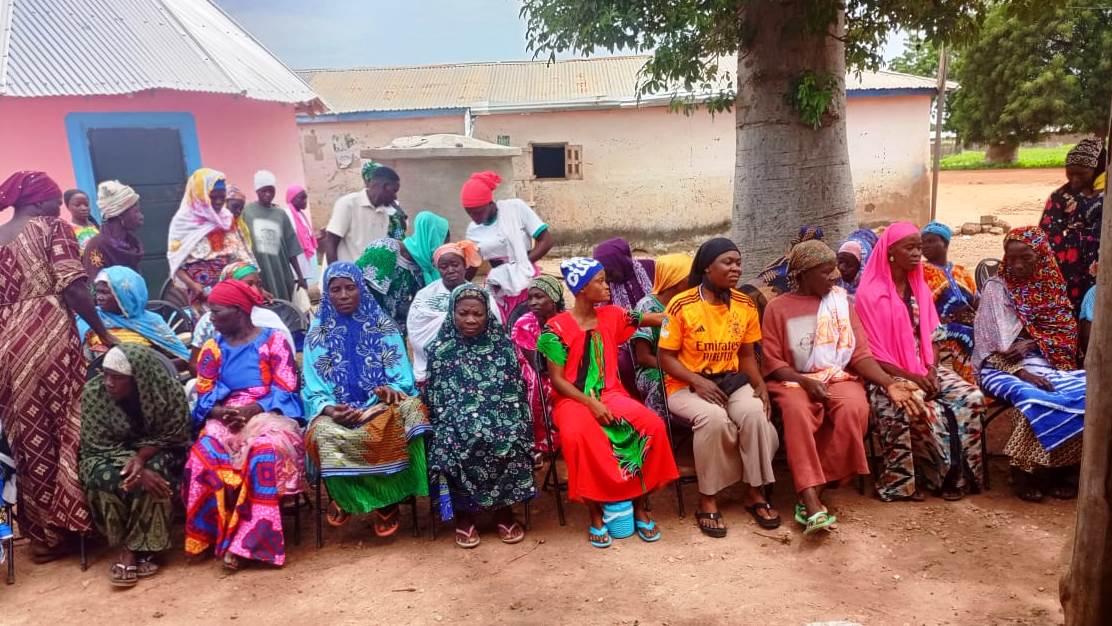 |
Training also reintroduced and reinforced beekeeping guidelines that had been circulated to chiefs at the start of the season. Hive repositioning visits were conducted in Gizaa-Gundaa, where several hives had been knocked down by cattle, and guidance was provided on clearing surrounding vegetation to improve airflow for colony health.
New Protective Equipment Distributed
New bee suits with veils, boots, and gloves were distributed to participants across communities in both regions beginning in early October. Distribution began in Kpulinying and continued through Yama area communities including Zua. The distribution was welcomed enthusiastically by participants and CBTs alike.
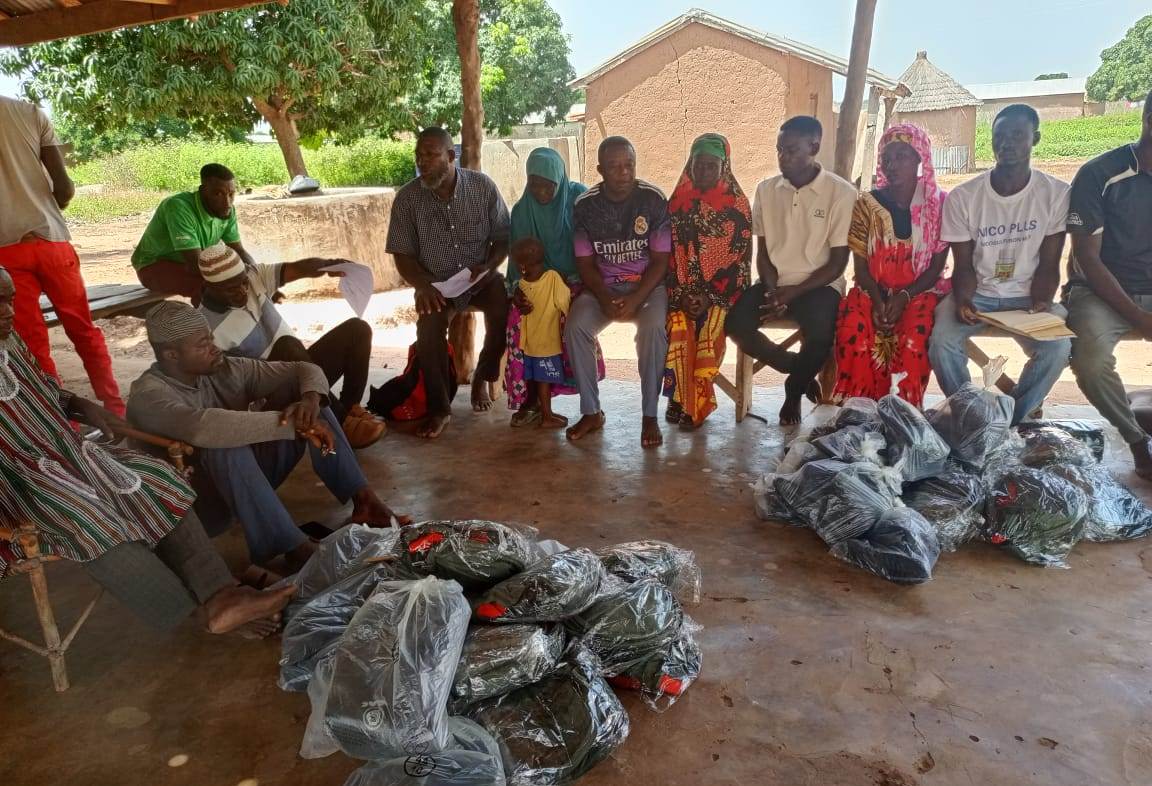 New bee suits distributed in Kpulinying — distribution also underway across Yama area communities
|
 CBTs at Jakpahi expressed gratitude for the new equipment and pledged to put it to good use
|
The equipment distribution was preceded by inspection visits to assess the condition of existing suits across communities. At Chera, inspectors found that of 25 suits checked, only four were in good working condition; five had been damaged beyond repair by mice. The findings reinforced existing guidance on washing suits after use and storing them in sealed containers — guidance that has now been incorporated into formal training materials. Conditions for boots showed a similar pattern. New training materials addressing the care and maintenance of protective equipment were in preparation at the time of this update.
Beekeeping as a Livelihood: Participants Speak
Perhaps the most significant development documented in this period is the depth of conviction that participants are expressing about beekeeping as a livelihood strategy — particularly when compared with the severe challenges facing crop farming in the current economic climate.
— Programme participants, Yama area, October 2026
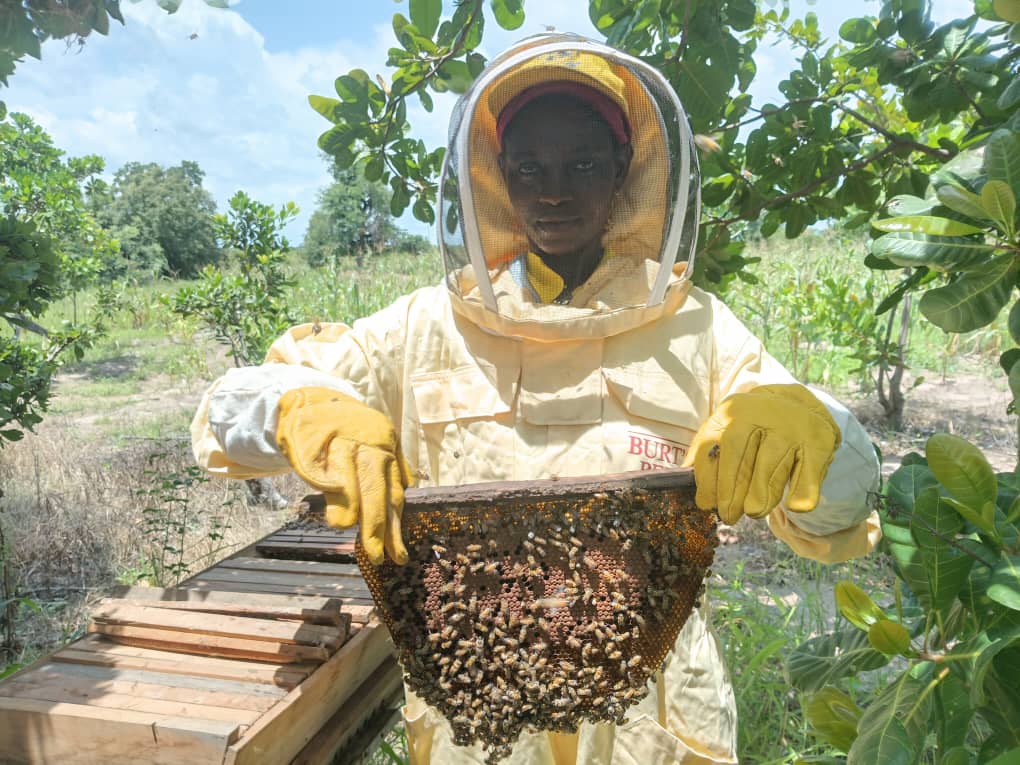
SheKeeper participants are increasingly describing beekeeping as their most reliable income source
|
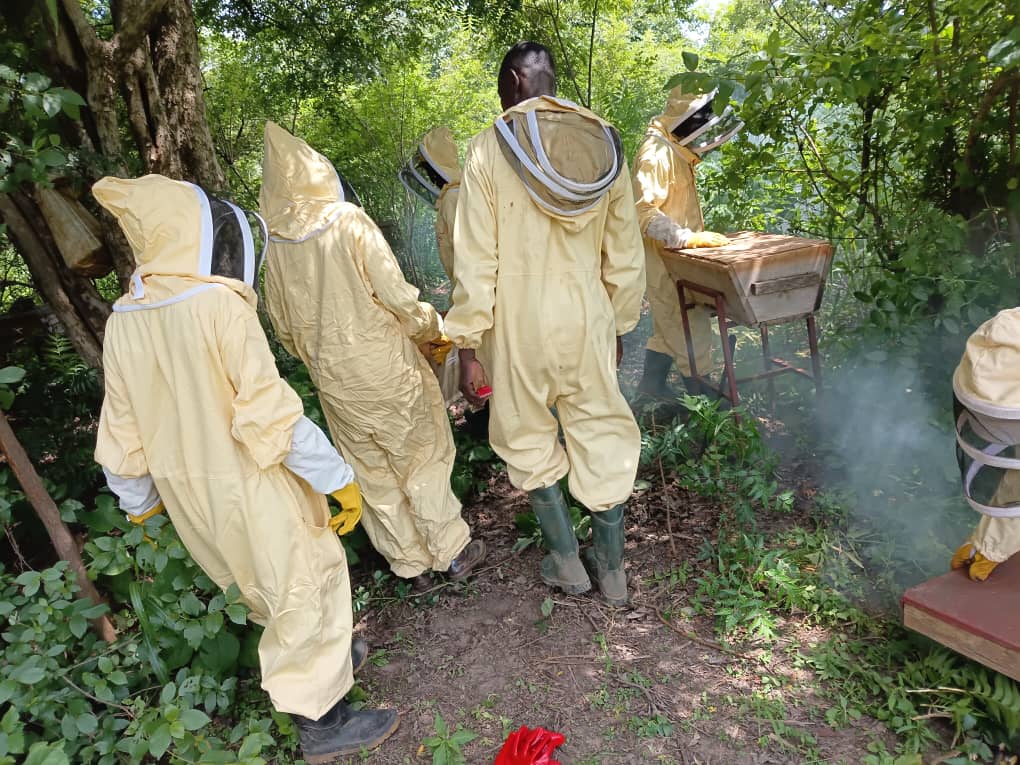
Community dialogue sessions have documented a growing shift in how participants view beekeeping relative to crop farming
|
Abdul Rashid summarized the shift in participant attitude observed across communities: clients increasingly see the SheKeeper project as more promising than crop farming under current market conditions, and the growing confidence highlights the importance of strengthening the program through continuous technical support, improved colony management, and greater client ownership.
The SheKeeper project continues to demonstrate that with proper support, training, and community engagement, women in Northern Ghana can successfully develop beekeeping as a sustainable and resilient income source alongside their traditional activities.