Banner
/babarlogo5.jpg
mognori_hive_roofs.jpg
donate2.jpg
20180215seidu_traing.jp
/training_resources.jpg
bees_chasing_elephant.gif

bees for babar index

guiding principles

donation options

photos and background

publications and resources

videos
mognori_hive_roofs.jpg
holy_mole_label2.jpg
2025-10-15_9_good_refurbishing_apiary
beekeeping_equipment_concrete_hive3.jpg
animals_elephant_2.jpg
/bee_field_bees_at_hive_entrance_Kawan_Kura_2.jpg
Bees for Babar beeginnings photos
Bees for Babar results photos
Bees for Babar update photos
hive designs using alternatives to wood
elephants of Mole photos
bees of Mognori photos


BfB logo
donate now
•
donation options  
•
bees for babar index  
•
guiding principles  
•
photos and background  
•
publications and resources  
•
videos  

Hive Setup & Apiary Management

KTBH apiary setup
KTBH apiary setup early
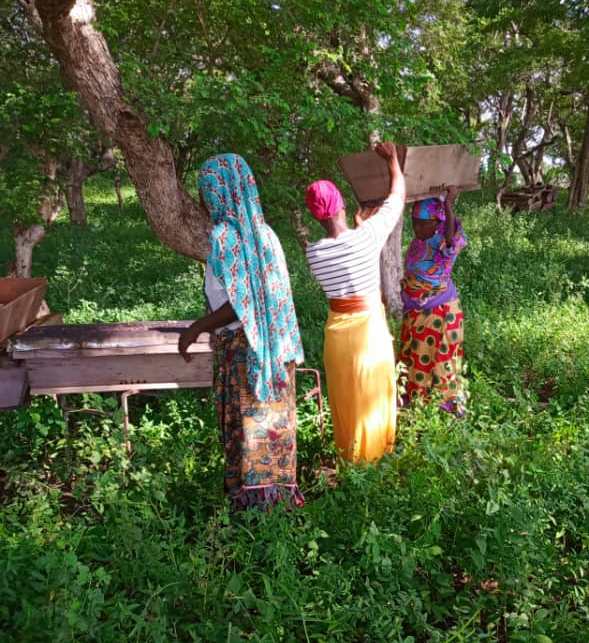
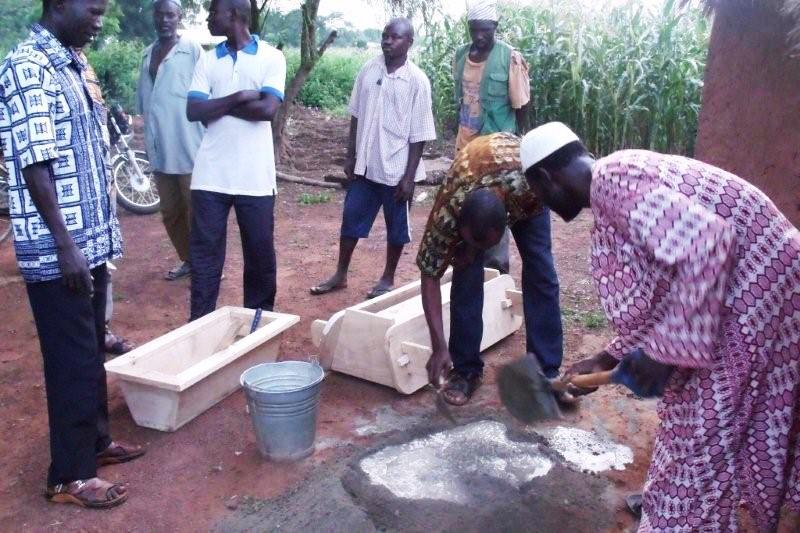
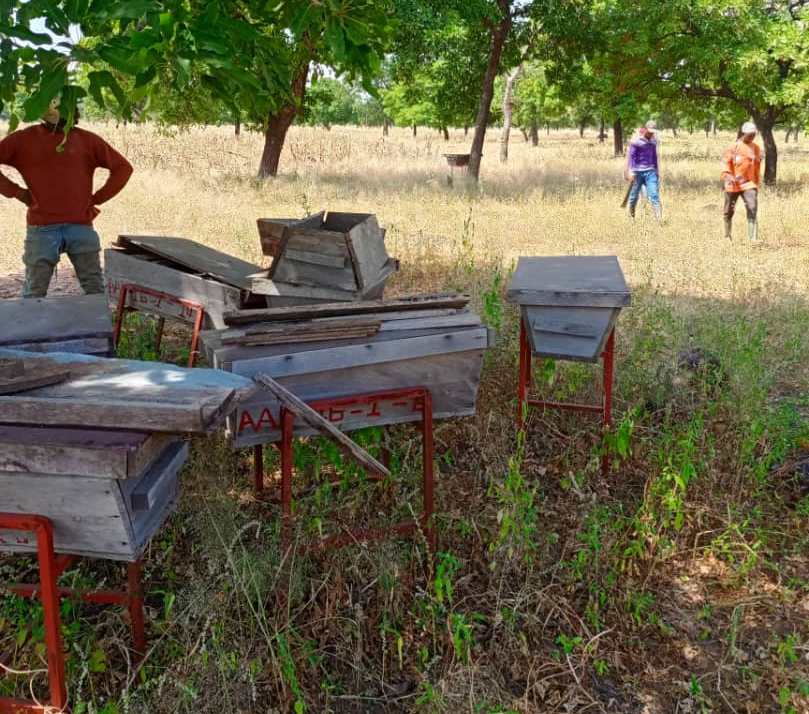
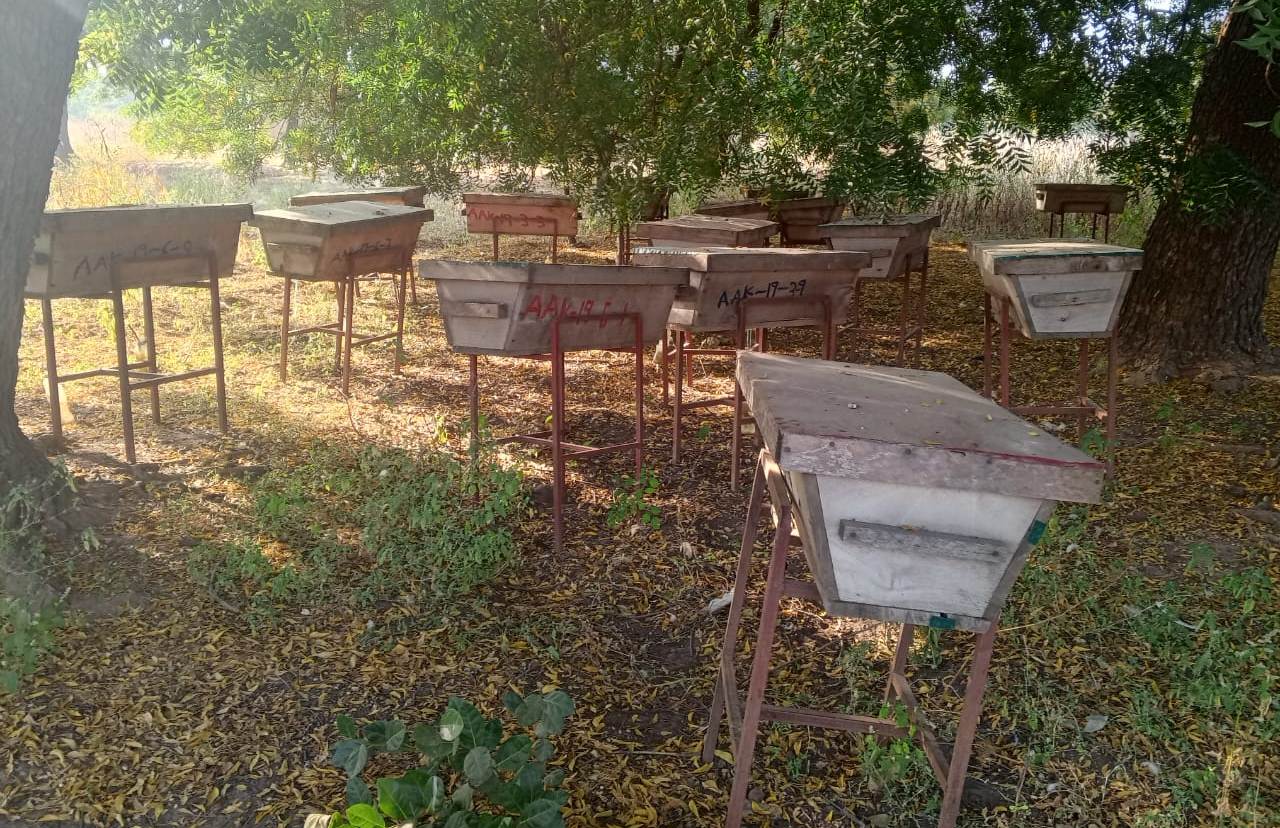
Kenya Top Bar Hives are installed on elevated stands and inspected for correct placement — foundational apiary setup skills taught to all SheKeeper cooperative members.
 

Hive Inspections & Field Training

beekeepers inspecting hive
beekeeper training delivery
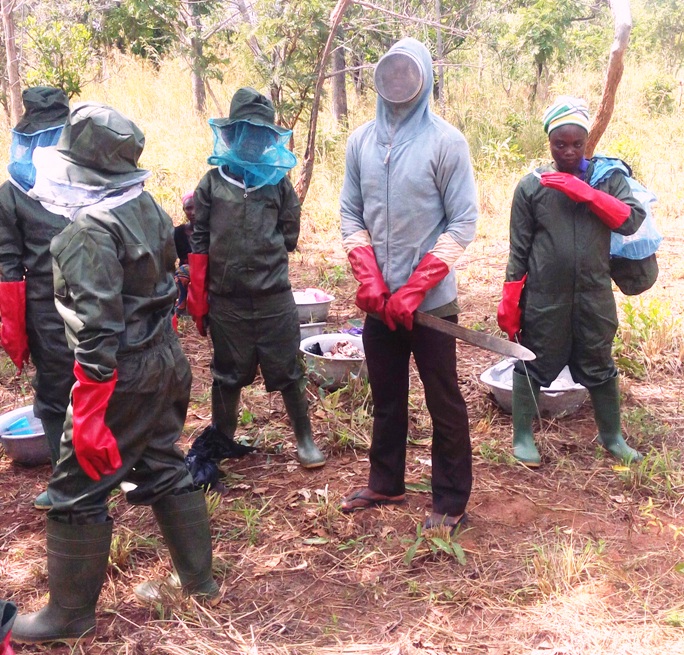
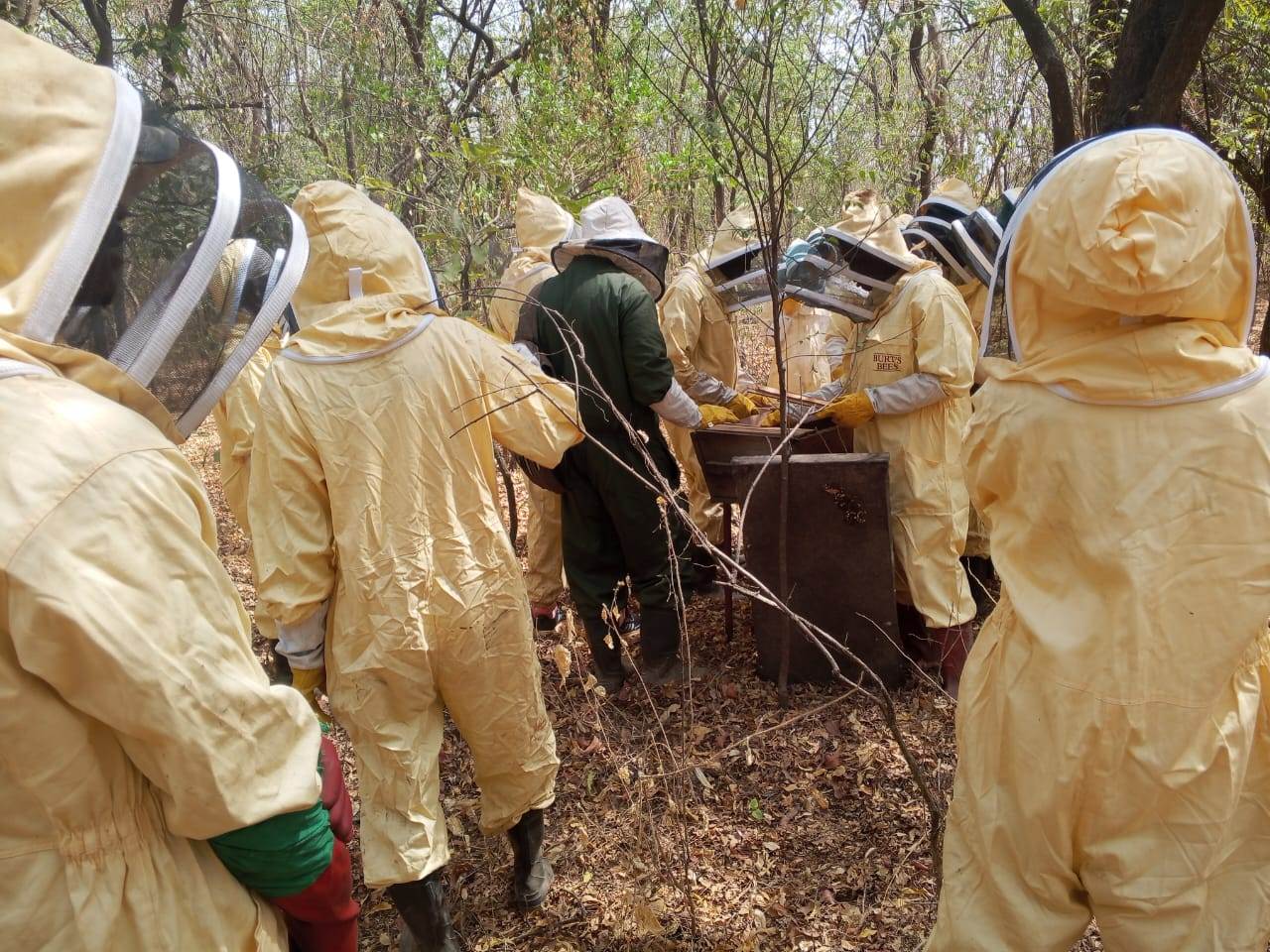
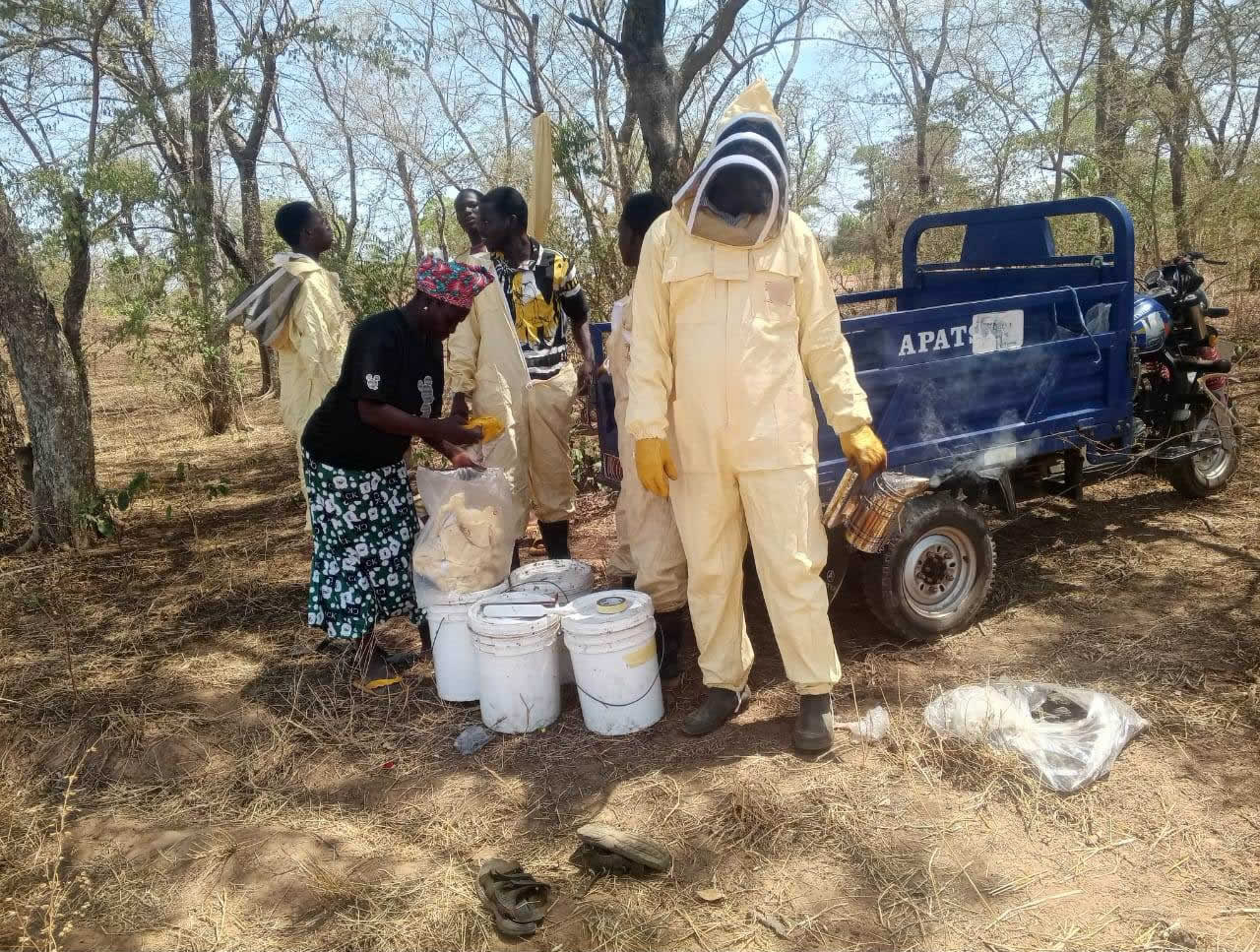
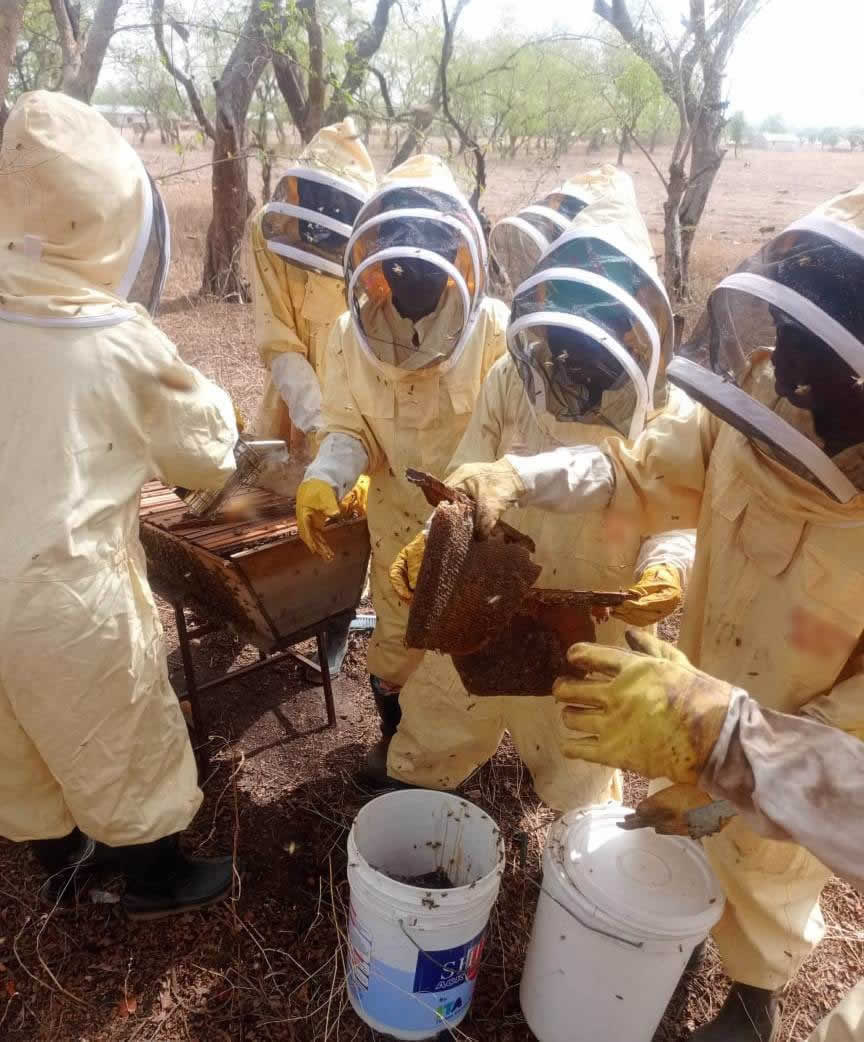
Field trainer Mohammed Ali Ibrahim leads women beekeepers in full protective gear through systematic colony assessments, including honeycomb frame inspection, honey ripeness recognition, and safe hive-handling techniques.
 

Honey Harvest

inspecting honeycomb frame
beekeepers inspecting comb
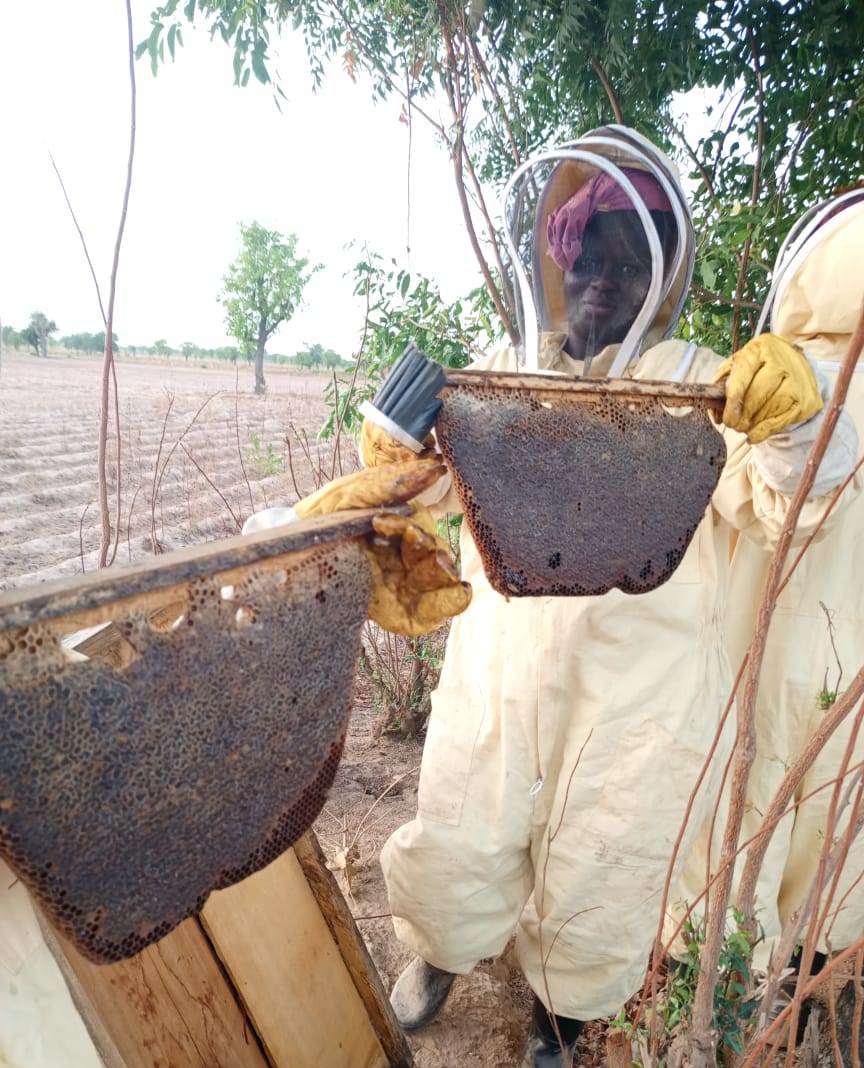
Honeycomb bars heavy with honey are carefully removed from Kenya Top Bar Hives during supervised harvest sessions, with filled buckets collected at community gathering points for processing.
 

Honey Processing

honey processing demonstration
honey processing preparation
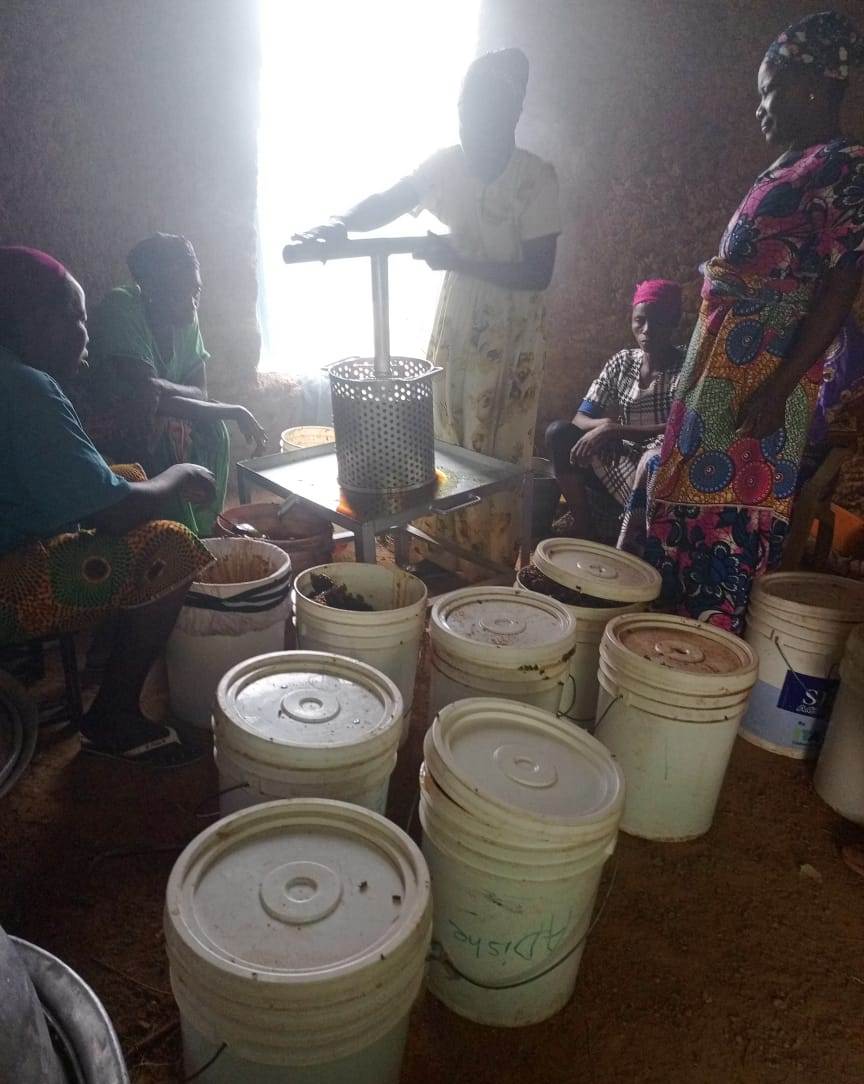
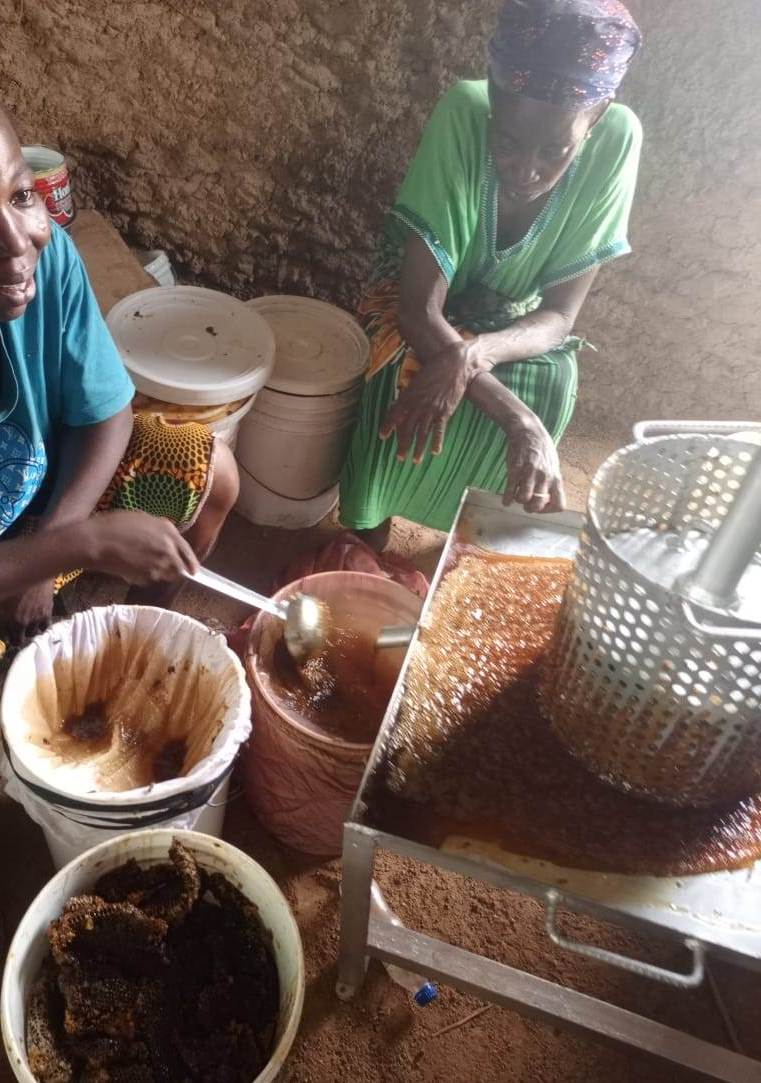
Cooperative members press combs and strain and clarify freshly harvested honey using equipment and techniques introduced through SheKeeper training, preparing market-ready product for storage and sale.
 

Beeswax Processing

night beeswax processing
women with beeswax ingots
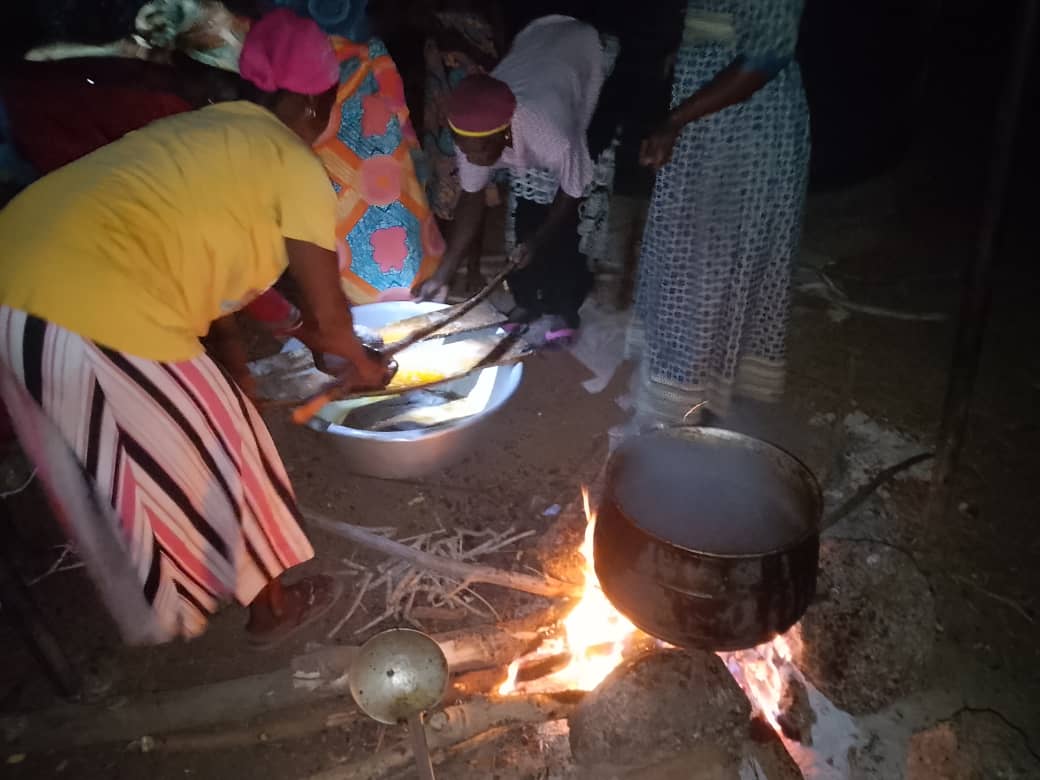
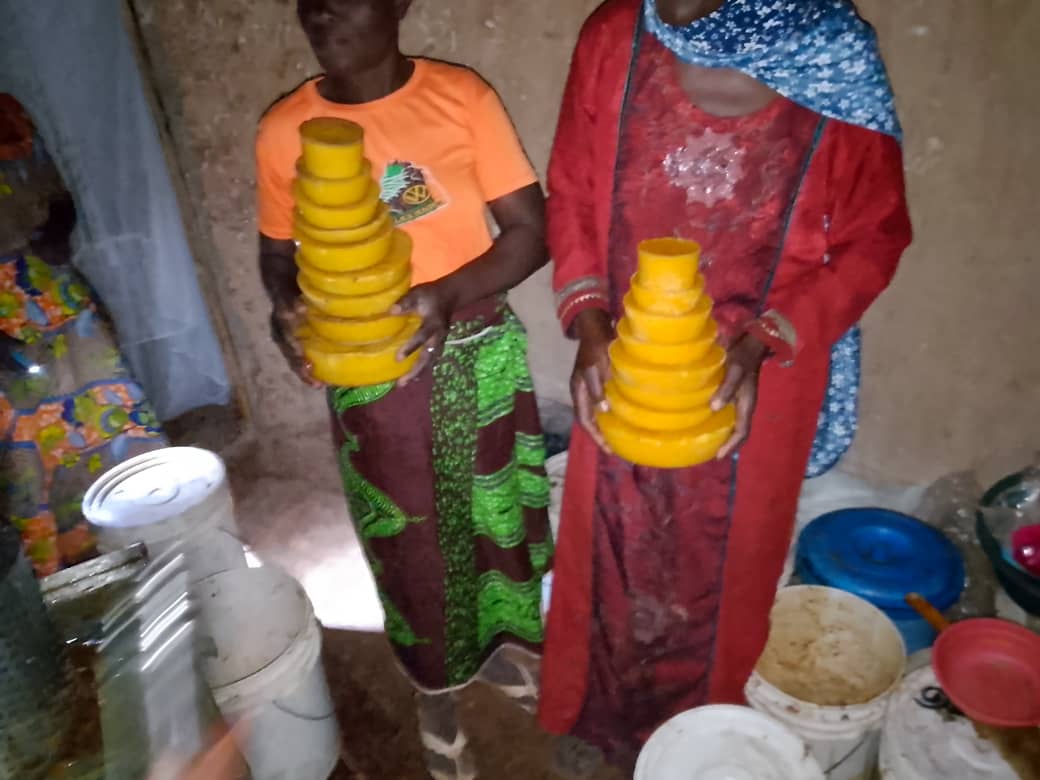
Wax comb residues left after honey straining are melted down, filtered, and poured into moulds to cool into finished beeswax ingots — a valuable byproduct that cooperative members sell as a secondary income alongside their honey harvest.
 
The SheKeeper project continues to demonstrate that with proper support, training, and community engagement, women in Northern Ghana can successfully develop beekeeping as a sustainable income source alongside their traditional shea collection activities.


/babarlogo5.jpg
mognori_hive_roofs.jpg
donate2.jpg
20180215seidu_traing.jp
/training_resources.jpg
bees_chasing_elephant.gif

bees for babar index

guiding principles

donation options

photos and background

publications and resources

videos